
MADISON, Wis.—Two Universities of Wisconsin students and four educators are being recognized today by the Universities of Wisconsin and Alliant Energy Foundation for their outstanding achievements. The Alliant Energy Erroll B. Davis, Jr. Achievement Awards recognize the outstanding academic and community-service efforts of students from traditionally underrepresented minority groups who are pursuing a degree in business or engineering at UW-Madison. The Alliant Energy James R. Underkofler Excellence in Teaching Awards recognize outstanding commitment to undergraduate student success and the ability to inspire in students an enthusiasm for learning. The awards are presented to students and educators from Universities of Wisconsin campuses located within Alliant Energy’s service area.
“I sincerely thank the Alliant Energy Foundation for its continued, generous support of these awards recognizing student success and influential teaching,” said Universities of Wisconsin Senior Vice President for Academic and Student Affairs Johannes Britz. “I offer my congratulations to this year’s hard-working students and instructors on their impressive accomplishments and contributions.”
“We are honored to continue the legacy of these awards, which were created to recognize the hard work of students and faculty,” said Andy Kitslaar, executive director of the Alliant Energy Foundation. “These annual awards reflect Alliant Energy’s long-standing investment in education and our shared future.”
The recipients of the 20th annual Alliant Energy Erroll B. Davis, Jr. Achievement Awards are:
- Sylvia Klotz, Business Administration, UW-Madison. Klotz plans to graduate in May 2027 from UW-Madison with a Bachelor of Business Administration in Accounting with a Certificate in Spanish for Business. Klotz, a Mercile J. Lee Scholar, was selected for the competitive Wisconsin International Scholars program. Klotz served as vice president of Beta Alpha Psi, UW-Madison’s accounting fraternity, where her leadership helped grow the organization into a full student chapter with an executive board. She did a summer internship through Sage Corps, working with an international team as a business development intern for ChatWith.io, a tech startup founded in Madrid that creates WhatsApp tools for businesses around the globe. Most recently, Sylvia completed a summer audit and assurance internship with Deloitte in Milwaukee, Wis. Klotz plans to become a Certified Public Accountant (CPA) before returning to Deloitte full-time next fall. Her goal is to build a career that draws on her global competency and fluency in Spanish to work on international client engagements.
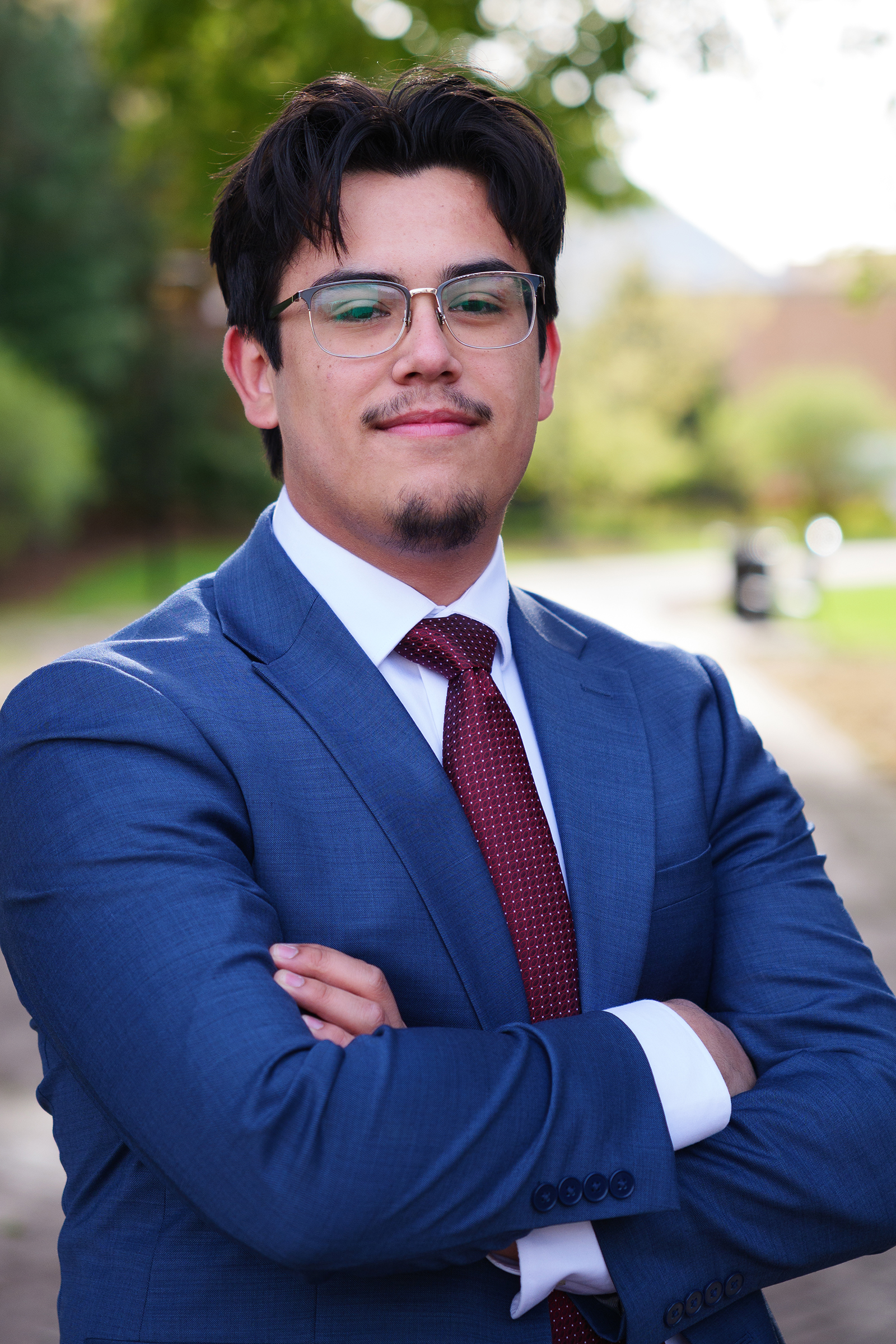
- Brian Vazquez Sanchez, Mechanical Engineering, UW-Madison. Vazquez Sanchez plans to graduate in December 2026 from UW-Madison with a Bachelor of Science in Mechanical Engineering. As a first-generation college student, Vazquez Sanchez has developed a passion for engineering through hands-on experiences in design, manufacturing, controls, and entrepreneurship. He has volunteered at St. Rose of Lima in Milwaukee, Wis., where he taught elementary school students STEM concepts through activities such as building small-scale robots. He founded a 3D printing business where he combines skills in product identification, 3D modeling, manufacturing, and business management to develop and sell products. At UW-Madison, Vazquez Sanchez worked on a senior design project team to develop a small autonomous bulldozer for the Simulation-Based Engineering Lab, a project that earned the team the Best Overall Award in Mechanical Engineering. Vazquez Sanchez has gained professional engineering experience at Husco, a privately owned company specializing in hydraulic and electro-mechanical control systems. Vazquez Sanchez looks forward to a mechanical engineering career that uses his technical, entrepreneurial, and collaborative skills.
-

- Klotz

-

- Vazquez Sanchez
The recipients of the 36th annual Alliant Energy James R. Underkofler Excellence in Teaching Awards are:
- Nick Balster, Professor, Soil and Environmental Sciences, UW-Madison.
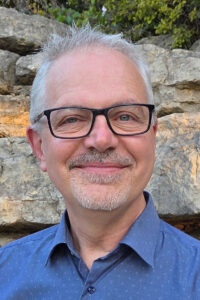
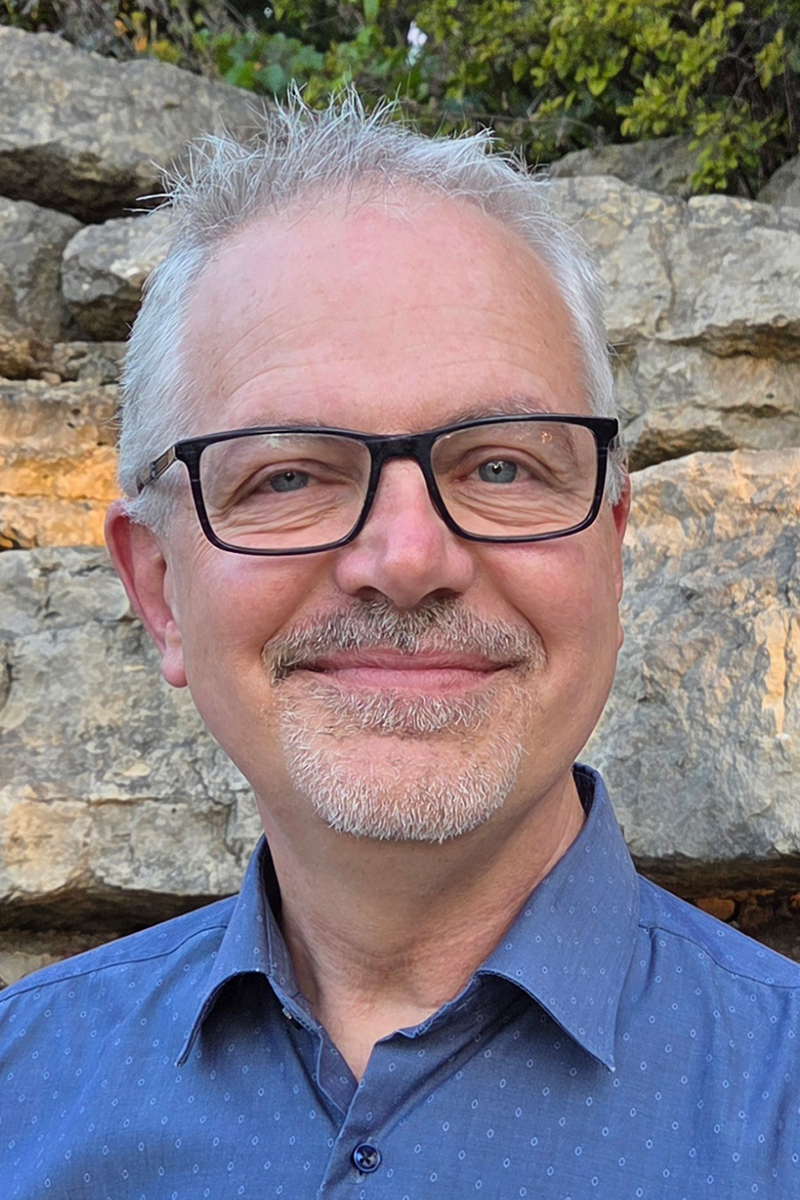
Dr. Balster employs a growth-oriented model of learning, inspiring students to go beyond their perceived limits and equipping them with critical thinking skills essential for success in life and the workforce. He pairs effective teaching with individualized mentoring, connecting students to resources to support their growth. At UW-Madison, Balster developed the Madison Teaching and Learning Excellence (MTLE) program, a cohort-based, yearlong fellowship to help early-career faculty become efficient, effective instructors within a research-focused, decentralized institution. Since its launch, MTLE has become UW-Madison’s flagship program in teaching and learning, serving more than 400 assistant professors from 82 departments and helping to spawn the Center for Teaching, Learning, and Mentoring under the Office of the Provost. As chair of the Environmental Sciences Major at UW-Madison, a major that he helped to create, Balster has shaped one of the university’s most interdisciplinary and rapidly growing programs. His mentorship has guided students toward careers in academia, environmental policy, and industry. He also connects K-12 students with STEM opportunities. - Miyeon Kwon, Professor, Department of Mathematics, UW-Platteville.
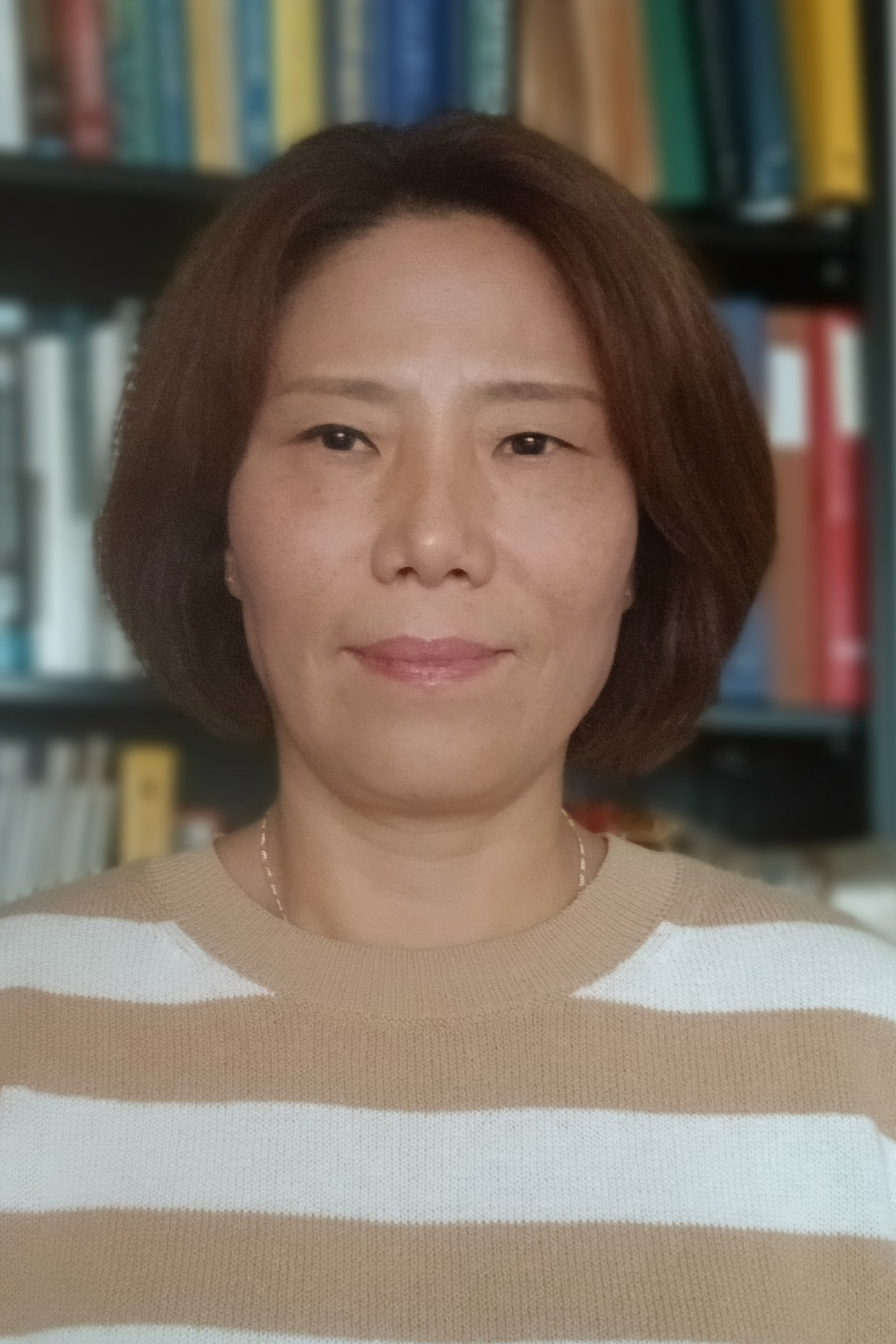
Kwon teaches undergraduate courses across introductory, intermediate, and advanced levels; mentors students through advising and research; and conducts research in functional analysis. She is recognized for exceptional course design and creating an engaging classroom atmosphere. Kwon developed concept assessment tests for freshmen, a streaming course that improved student engagement and retention, and an asynchronous course tailored for flexible learning. She uses technology, such as the open educational resources of WeBWork and GeoGebra, to promote active learning. Research projects she has developed contribute to interdisciplinary teaching and learning. Kwon has attended both the Wisconsin meetings of the Mathematical Association of America and the National MathFest meetings, where she learns current and innovative teaching methods for her field. She contributed to the organization of the annual Mathematical Modeling Contest at UW-Platteville and has conducted exam seminars and served as a local supervisor for the national Putnam Mathematical Competition. - Scott Mobley, Teaching Faculty II, Department of Political Science, UW-Madison.
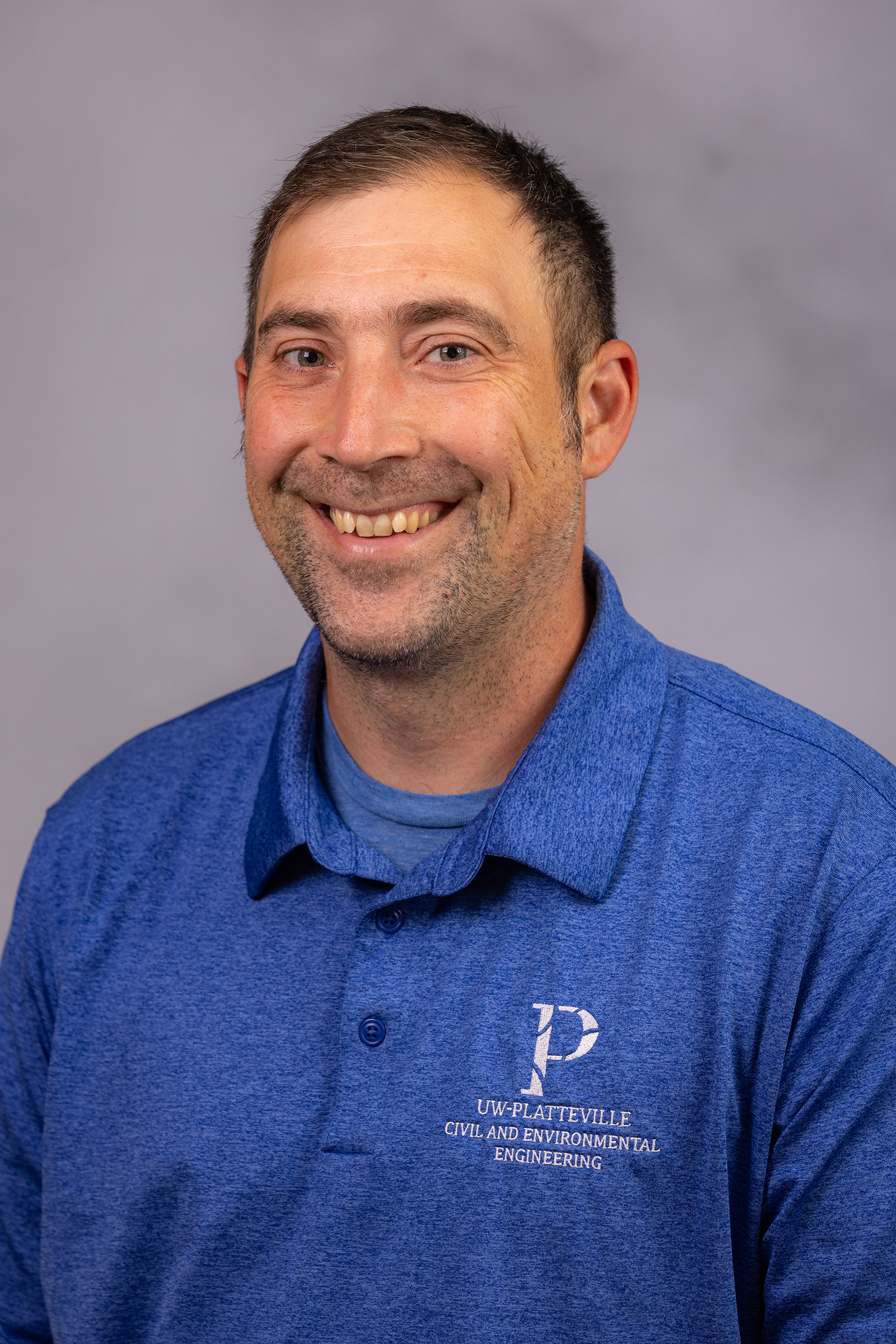
Dr. Mobley teaches courses that examine international security and civil-military relations. He grounds his pedagogy in a three-part model of cognitive insight, affective skills, and practical skills designed to help students cultivate enduring knowledge and skills. Within his learning-centered approach, he promotes five essential values and practices that frame his approach to teaching: focusing on durable student learning rather than instructor teaching; assessing to promote learning and discourage student grade fixation; leveraging diversity as a foundation for learning; building trust and community in the classroom; and innovating at a measured pace to deepen the student learning experience. Mobley incorporates classroom simulations and games to deepen students’ understanding and to sharpen their affective skills. These activities model real-world friction, contingency, and consequences to stimulate critical thinking and build empathetic capacity. Mobley wrote an award-winning book, and his work has appeared in academic and professional journals, an edited volume, and influential online platforms. - Austin Polebitski, Professor, Department Chair, Civil and Environmental Engineering, UW-Platteville.
Dr. Polebitski’s research interests include urban and rural water use, water resource systems management, the use of forecasting tools in short- and long-term decision making, and the impacts climate change will have on statewide natural resources. Three themes are central to his educational philosophy: hands-on/real-life applications, the importance of interdisciplinary work, and the use of technology to help students master complex material. In seeking out regional challenges, he creates projects to expose students to the complexities of local environmental conditions and state codes. Polebitski has created courses on emerging topic areas, including fish passage, hydropower infrastructure, data science/analytics, and the uses and stakeholders of the upper Mississippi River. He is the faculty advisor of the Engineers Without Borders chapter at UW-Platteville and has traveled to Ghana with students to construct two new middle school buildings. Polebitski is an active member of the Environmental & Water Resources Institute, the American Water Resources Association, and the International Conference on Engineering and Ecohydrology for Fish Passage. He is a registered Professional Engineer.
-
- Balster
-

- Kwon
-
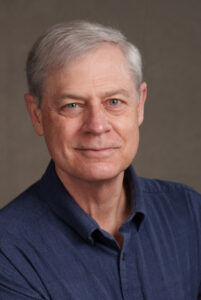
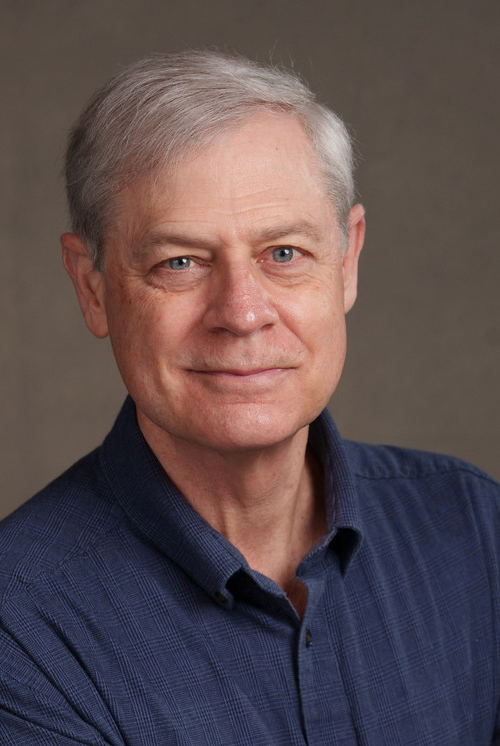
- Mobley
-

- Polebitski
About the Awards
The Alliant Energy Foundation established an endowment in 2006 to honor the distinguished record of public service of Erroll B. Davis, Jr. (1944–2026). Davis, the first African-American leader of a “Business Week 1000” company, was a former chief executive of Alliant Energy and a former member of the Board of Regents of the Universities of Wisconsin. He was interim Superintendent of Atlanta Public Schools from 2012 to 2014.
The James R. Underkofler Excellence in Teaching Awards are given as a tribute to the energy company’s long-time senior executive, James R. Underkofler (1923–2015), who was a staunch proponent of excellence in undergraduate teaching. He spent his entire career with the Wisconsin Power and Light Co. (now Alliant Energy), ending with his retirement in 1990 as chairman and CEO.
Both award programs are administered by the Universities of Wisconsin Division of Academic and Student Affairs.
For more information about the awards, visit:
- wisconsin.edu/grants-awards/erroll-b-davis-awards/
- wisconsin.edu/grants-awards/james-r-underkofler-awards/
Click on each photo for a higher-resolution version.
About the Universities of Wisconsin
The Universities of Wisconsin serve approximately 163,000 students. Awarding more than 37,000 degrees annually, these 13 public universities are Wisconsin’s talent pipeline, putting graduates in position to increase their earning power, contribute to their communities, and make Wisconsin a better place to live. Nearly 90 percent of in-state Universities of Wisconsin graduates stay in the state five years after earning a degree. The universities provide a 23:1 return on state investment. The Universities of Wisconsin also contribute to the richness of Wisconsin’s culture and economy with groundbreaking research, new companies and patents, and boundless creative intellectual energy. Learn more at wisconsin.edu.