Archives
-
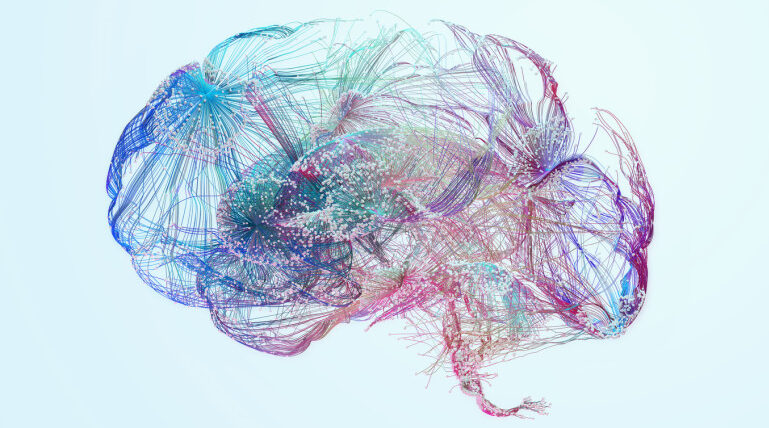
UW Center for Healthy Minds will research machine learning predictions of well-being
High rates of depression, anxiety, loneliness and lack of purpose are taking a toll on Americans’ mental and physical health, with wide-ranging negative consequences. Unfortunately, many of those most in need of mental health services are unable to access them through traditional means. Researchers at the University of Wisconsin–Madison’s Center for Healthy Minds are working […]
-
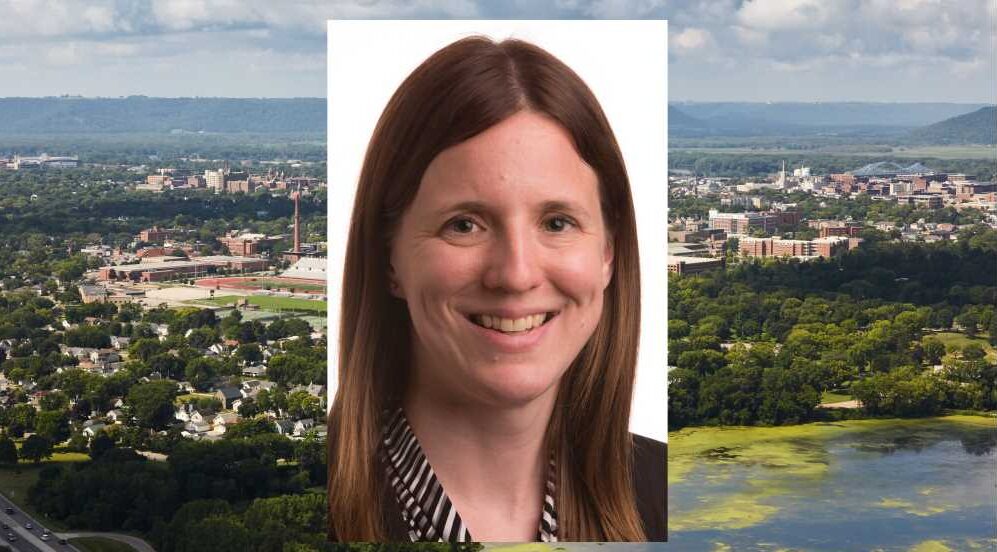
The right focus: Colleen McDowell is a leader in glaucoma research
The world is coming into much better focus thanks to the research of Colleen McDowell. Since leaving UW-La Crosse with a bachelor’s in biochemistry and microbiology in 2004, McDowell has become a highly regarded thought-leader in the field of glaucoma research. “Her research has substantial implications for the current and future treatment of glaucoma as […]
-
Badgers win national debate championship
You don’t hear “Jump Around” blasted at many debate tournaments. That changed when a team of Badgers won the national championship at the annual Yaatly Online Debating League in Denver on April 8-9, setting off a raucous celebration from the UW–Madison contingent, including the song best known for rocking Camp Randall Stadium during football games. Six […]
-
Cecil Garvin, esteemed teacher of Ho-Chunk language, to receive honorary degree from UW–Madison
The University of Wisconsin–Madison will award an honorary doctorate degree this May to Cecil Garvin, a highly respected Ho-Chunk elder who has devoted much of his professional life to the preservation and promotion of the Ho-Chunk language and culture. Garvin is a primary author of many of the language materials presently used in K-12 education […]
-
From concussions to PFAS: Five ways UW-Madison research is tackling real-world problems
Scientific research can feel distant from our everyday lives, and indeed it often requires years — or decades — of intense study to bring a life-saving medical treatment or useful new technology to fruition. Even in the face of daunting challenges and long timelines, researchers at the University of Wisconsin–Madison bring their love for learning […]
-
Wisconsin cave holds tantalizing clues to ancient climate changes, future shifts
Even in their dark isolation from the atmosphere above, caves can hold a rich archive of local climate conditions and how they’ve shifted over the eons. Formed over tens of thousands of years, speleothems — rock formations unique to caves better known as stalagmites and stalactites — hold secrets to the ancient environments from which […]
-
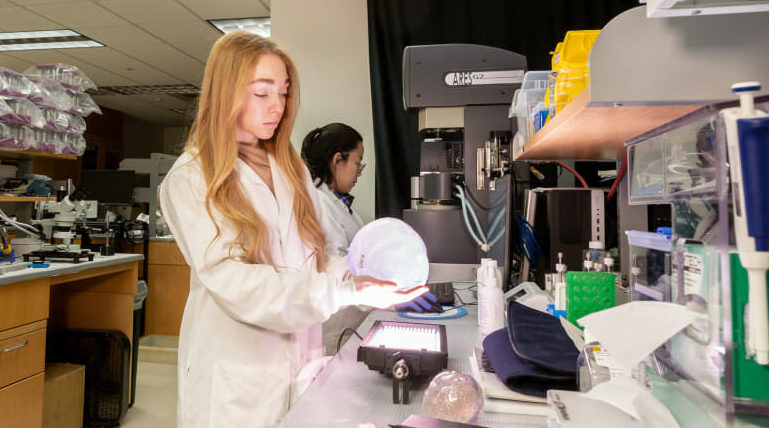
New carbon nanotube-based foam promises superior protection against concussions
Developed by University of Wisconsin–Madison engineers, a lightweight, ultra-shock-absorbing foam could vastly improve helmets designed to protect people from strong blows. The new material exhibits 18 times higher specific energy absorption than the foam currently used in U.S. military combat helmet liners, as well as having much greater strength and stiffness, which could allow it […]
-
A Research Network at the Nexus of Water and Agriculture
Wisconsin’s abundant rivers, lakes and streams helped the state become an agricultural leader. Yet agricultural processes, including irrigation and pesticide use, also greatly impact our state’s water quality and quantity. One of the biggest challenges facing Wisconsin is determining how to maintain the state’s agricultural prominence while also ensuring plenty of safe water for drinking, […]
-
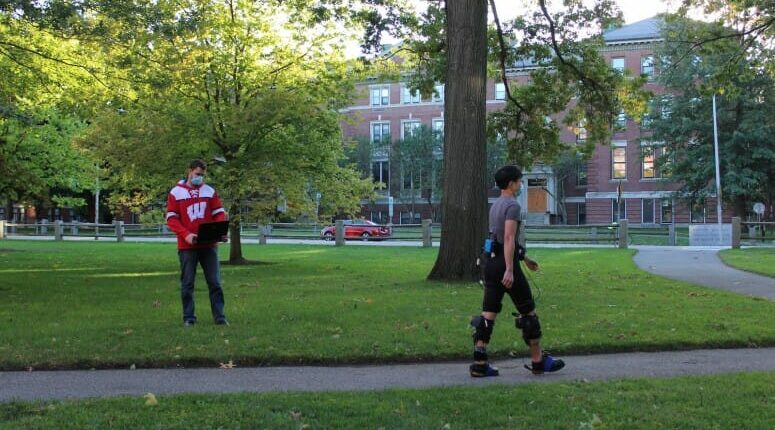
Wearable sensor can help unlock the potential of exosuits in real-world environments
Wearing an exosuit could help people rehab from an injury or even give them extra oomph if they’re carrying something heavy. But, according to University of Wisconsin–Madison and Harvard University researchers, not everyone who dons a wearable robot today can immediately reap benefits from the assistance. For the first time, the research team harnessed a […]
-
UW-Madison grad students work with climatologist on tool to alert communities to dangerous heat levels
As dangerous heat levels are breaking records across the United States and the world, three University of Wisconsin–Madison graduate students are collecting data to inform a heat warning system based on health outcomes — a tool they hope could eventually save lives. Nelson Institute Environment & Resources PhD students Elizabeth Berg and Becky Rose and […]