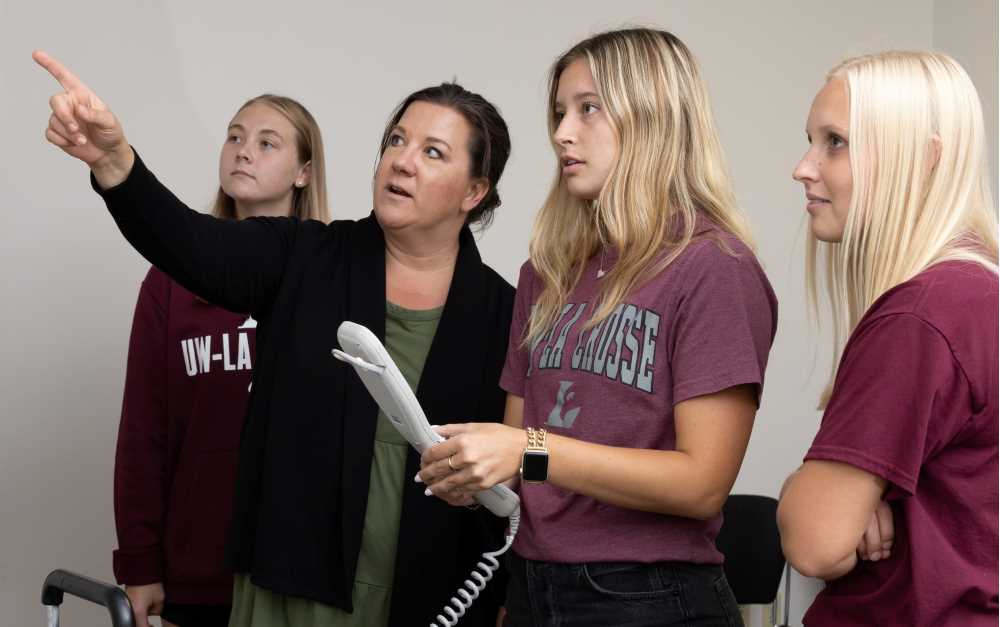
From Radiologic Science to Physical Therapy, UW-La Crosse is making its mark as a leader in health professions education. UWL’s health programs are expanding, student interest is surging and growing support services on campus are helping future healthcare professionals prepare from day one on campus.
Over the past several years, UWL Health Professions Department programs have added new degrees, expanded clinical partnerships, and grown advising infrastructure — all while maintaining excellent outcomes with near-perfect pass rates on licensure and certification exams across all Health Professions programs.
“We’ve carved out a niche,” says Tom Kernozek, professor and chair of the Health Professions Department. “Students say Madison feels too big and Milwaukee too urban — they’re looking for a smaller, focused environment. And they’re finding that here.”
Programs on the rise
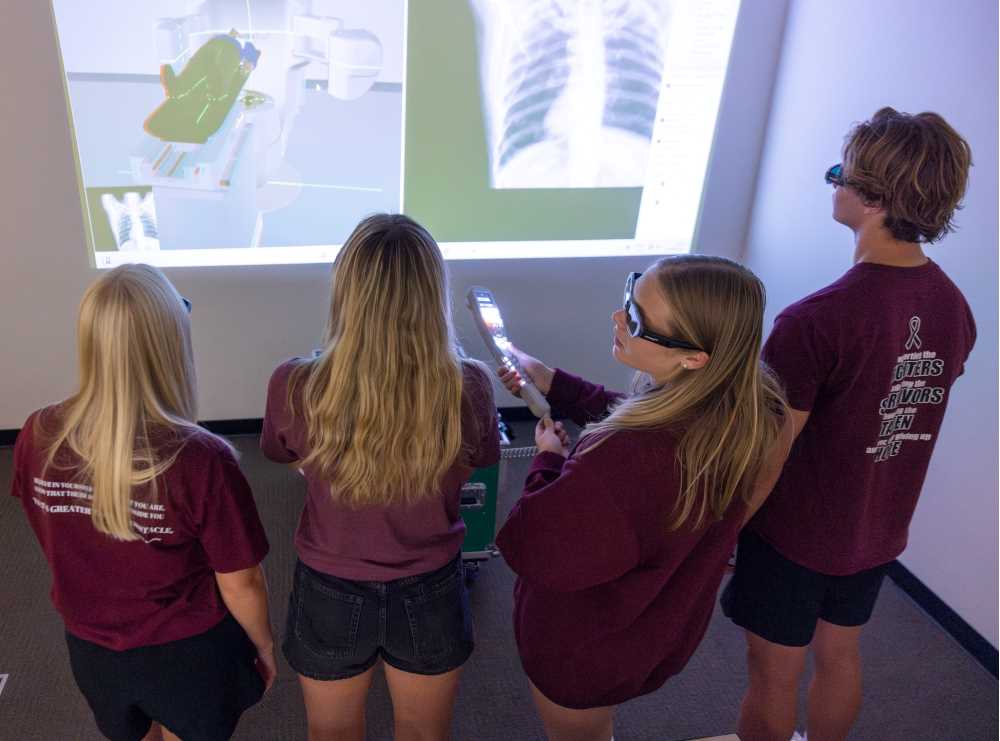
One of the fastest-growing areas is Radiologic Sciences, which now includes Radiation Therapy, Radiologic Technology and Diagnostic Medical Sonography. The latter two programs launched in 2022 and 2023 in response to years of planning and a growing pipeline of student interest.
“The number of students selecting UWL for Radiologic Science or Nuclear Medicine Technology has quadrupled in the past year,” says Director of Radiologic Sciences Melissa Weege, a 2001 Radiation Therapy alumna. “Over 250 students declared those majors at START this past summer.”
This boom in enrollment reflects larger healthcare trends: a growing need for skilled professionals in imaging and therapy, rising salaries and strong job security. With expanded clinical affiliations and more program options, UWL students are launching their healthcare careers with purpose — often securing jobs months before graduation.
“There are immense shortages in all these fields and that has driven the starting salaries up significantly,” Weege adds. “That’s making our programs a great return on investment — you’re gaining education in these areas and that education also leads to fulfilling patient care careers, with excellent career advancement opportunities because of earning the bachelor’s degree.”
Support that starts early
UWL’s success isn’t just about what happens in the classroom or clinic — it starts with a campus-wide support network that guides students from their first semester through graduation.
A prime example is the Pre-Health Student Resource Center, launched in 2018 to meet the needs of UWL’s rapidly growing pre-health student population. Today, it serves between 1,500 and 1,800 students at any given time, offering workshops, personalized academic planning and career exploration, as well as an “Introduction to Health-Related Careers” course.
The Pre-Health Student Resource Center also works closely with career advisors in Academic Advising Center & Career Services Office to help students reach their goals.
“We’re proud to say we’ve become the go-to for pre-health questions on campus,” says Josh Bench, the center’s founding coordinator. “While we continue to serve the growing number of Radiologic Science students, nearly half of our appointments last year were with non-advisees, showing just how far our reach and impact extend.”
This dedicated support complements strong foundational science courses across campus, exceptional UWL faculty and other resources — from Murphy Library to Undergraduate Research & Creativity — ensuring students are academically prepared and professionally connected.
Immersive, hands-on learning
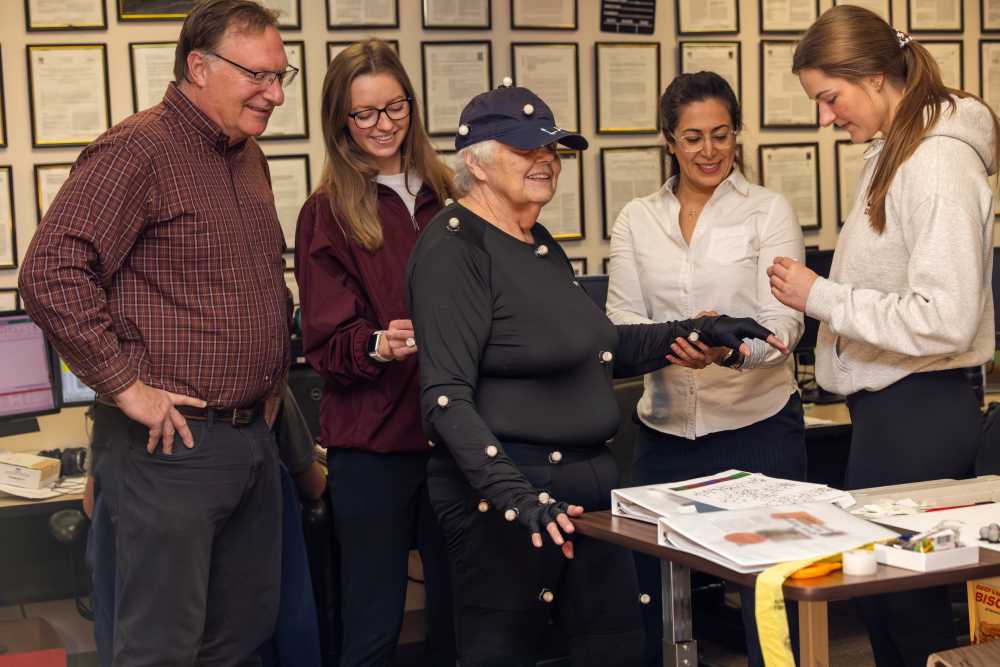
One reason UWL students are so well-prepared is the university’s commitment to early, immersive training. Programs incorporate clinical-style environments long before students arrive at real hospitals or clinics — helping them build confidence and skills in low-risk, high-impact ways.
- Radiologic Science students use virtual reality simulators to practice patient positioning, treatment and imaging protocols.
- Physical Therapy students work directly with community members through programs like LEAP (serving individuals who had an amputation) and EXPAND (supporting those with neurological conditions).
- Occupational Therapy students design adaptive tools and programming for use in pediatric and adult clinics.
- Physician Assistant students rehearse high-stakes scenarios with trained actors — often retired nurses or physicians — who simulate complex medical situations.
“The first time any of our students step into an ICU, just seeing all the lines and monitors can be overwhelming,” says Kernozek. “That’s why we try to replicate those critical environments as much as possible in their education.”
These simulations are further enhanced by clinical partnerships with Mayo Clinic, Marshfield Clinic, Emplify Health, and other leading healthcare providers — organizations that often serve as pipelines to employment.
“Our graduates are not only well-prepared but are also stepping into roles where they’re truly needed,” notes Gubbi Sudhakaran, interim dean of the College of Science and Health.
High quality, low cost programs

UWL was recently named a Best Value School by U.S. News & World Report, a recognition that factors in both academic quality and affordability for out-of-state students receiving need-based financial aid. Among public, regional universities in Minnesota and Wisconsin, UWL ranked No. 2 for Best Value.
Despite low program costs, UWL graduates consistently outperform peers nationwide on licensure and certification exams. Many programs have achieved — and maintained — 100% pass rates, a testament to both faculty expertise and student preparedness.
“Our academic programs — including in the health professions — are among the most affordable in the nation,” says Sudhakaran. “At the same time, our graduates consistently deliver exceptional results. High job placement rates and nearly 100 percent pass rates on licensing and certification exams are a testament to the quality of education they receive at UWL.”
Written by UW-La Crosse
Link to original story: https://www.uwlax.edu/news/posts/leading-in-health-professions/