UW-River Falls
-
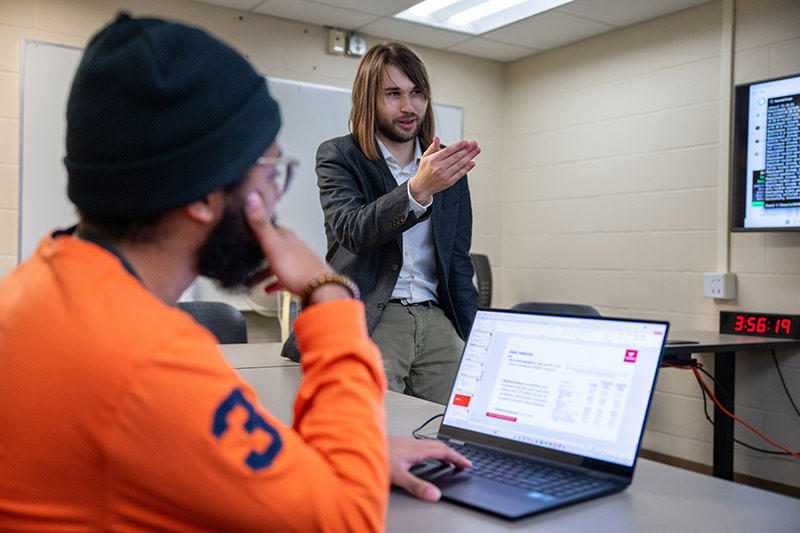
UW-River Falls, UW-Eau Claire & UW-Stout students & faculty work together on innovative internship for Royal Credit Union
When Royal Credit Union, one of Wisconsin’s leading financial institutions with 330,000 members and 28 locations in Wisconsin and Minnesota, wanted to explore ways to use artificial intelligence to make informed business decisions based on data, the result was an innovative multi-campus internship program involving students and faculty from the University of Wisconsin-Eau Claire, UW-River Falls […]
-
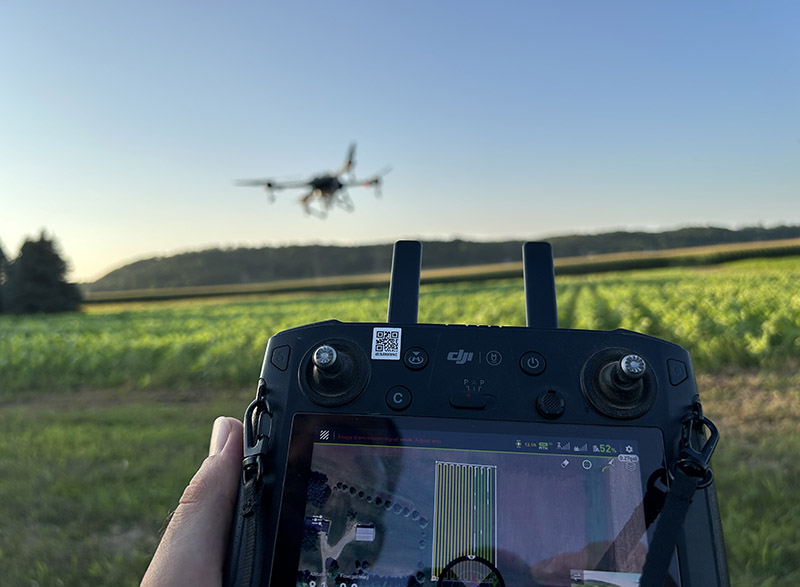
AI in agriculture: UW-River Falls partners with industry and alumni to train students in emerging technologies
If you picture working with artificial intelligence involving sitting in front of a computer at a desk in an office, Brandt Berghuis, a University of Wisconsin-River Falls assistant professor of crop science, can introduce you to a whole new world. “AI is really transforming agriculture,” Berghuis said. “Things are changing really fast, especially in the field. We have drones now that fly over fields and use AI to do […]
-
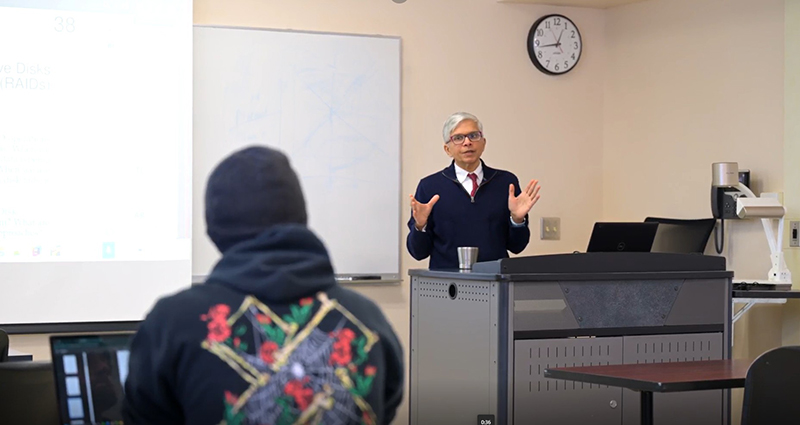
UW-River Falls master’s program in computer science prepares professionals for AI-driven careers
“We are an example of an organization that is all in on AI in every respect,” Edwards said of AGS Data Systems, the company he founded in River Falls in 1999. “Every employee we have is provided with multiple AI tools, whether they are in sales and marketing, training and development, software or technology development. We are […]
-
Communication on Generative AI (Artificial Intelligence) Bots
As generative Artificial Intelligence (AI) rapidly evolves, many software products are integrating this technology. While our officially supported campus applications are contractually obligated to protect university data, some may utilize third-party AI add-ons or extensions (often called AI Bots) that do not offer the same level of security.
-
Instructor Resources on Artificial Intelligence (Including ChatGPT)
The simulation of human intelligence in computer systems. It involves the development of algorithms and techniques that enable machines to perform tasks that typically require human intelligence, such as understanding natural language, recognizing patterns, making decisions, solving problems, and learning from experience.