Archives - 2025
-
UW-Stevens Point professor explores AI’s role in K-12 classrooms
Assistant Professor Aaron R. Gierhart is helping future educators navigate the evolving role of artificial intelligence in K–12 classrooms through his Educational Technology course, which emphasizes AI literacy, ethical use and accessibility. By integrating tools like ChatGPT into instruction, Gierhart prepares teaching candidates to critically and responsibly use AI to enhance learning while maintaining the […]
-
UWM creates strategies for artificial intelligence in the classroom
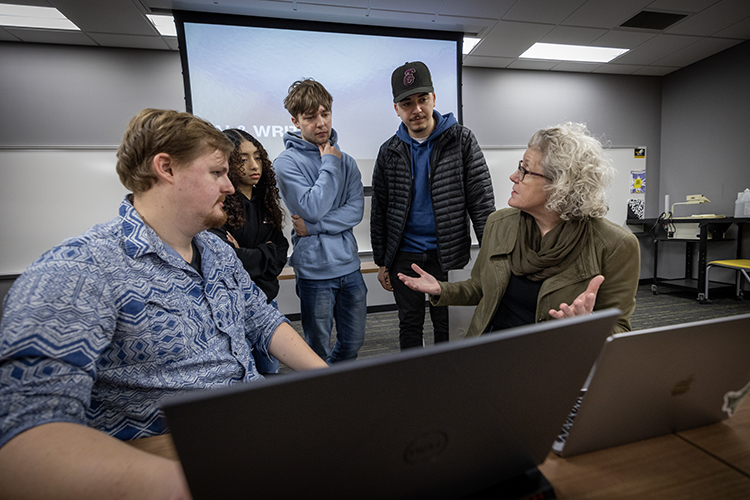
College-level writing requires students to do much more than put words on a page. In English 101, they learn and practice rhetoric — the art of effective communication. Crafting convincing arguments, tailoring messages for a specific audience and carefully considering how words affect a reader are important skills that provide the foundation for writing and […]
-
Using artificial intelligence to tease out answers to health care disparities
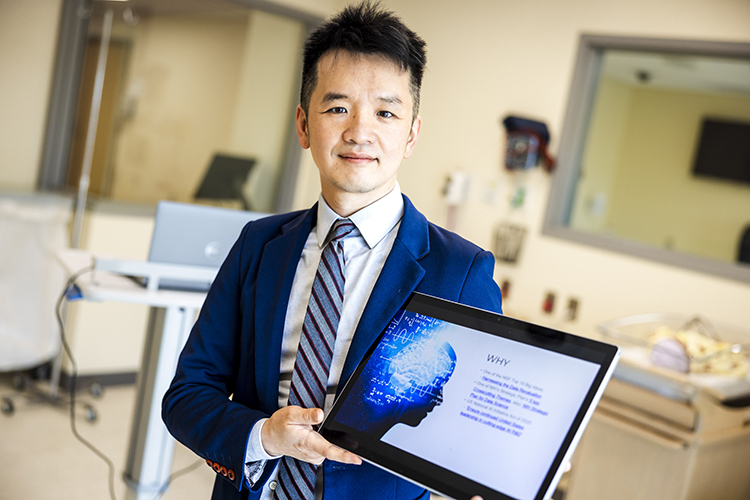
Without computers, it would take Jake Luo a lifetime to sort through the sheer amount of data that is integral to his work. An associate professor in UWM’s Zilber College of Public Health and College of Engineering & Applied Science, Luo focuses on identifying patterns in massive, sprawling electronic health records to highlight disparities in […]
-
UWL students, faculty explore the rapidly evolving landscape of artificial intelligence
The rapid growth of Artificial Intelligence (AI) is reshaping industries from healthcare to finance, creating a rising demand for a workforce capable of creatively integrating and critically assessing AI technologies. Some experts predict AI’s rise will spark a renaissance in the humanities, shifting the workforce focus from tasks machines can handle to deeper questions about […]
-
How AI-powered chatbots can make – or break – consumer trust
Chatbots – those little text bubbles that pop up in the corner of so many consumer sites – have long been a fixture in the digital world. Now, the growing popularity of generative AI programs has only supercharged their presence, and their abilities. Conversations with ChatGPT and similar apps are getting more realistic by the […]
-
Transform Your Approach to Digital Innovation
Transform your approach to digital innovation with UW Green Bay’s Applied Artificial Intelligence Certificate. Offered entirely online from April 1 to May 13, 2025, this noncredit program is structured into three self-paced courses with direct instructor contact. Courses:
-
Looking toward the future: Students harness AI for tomorrow’s workforce
One of the biggest challenges today is ensuring that students develop skills that will make them irreplaceable by AI. With AI capable of generating anything from a fitness plan to a complex strategy, it begs the question: What makes us different? The key lies in the human connection. This is precisely what Health and Human […]
-
UW-Stevens Point professor prepares students for the future of AI in creative fields
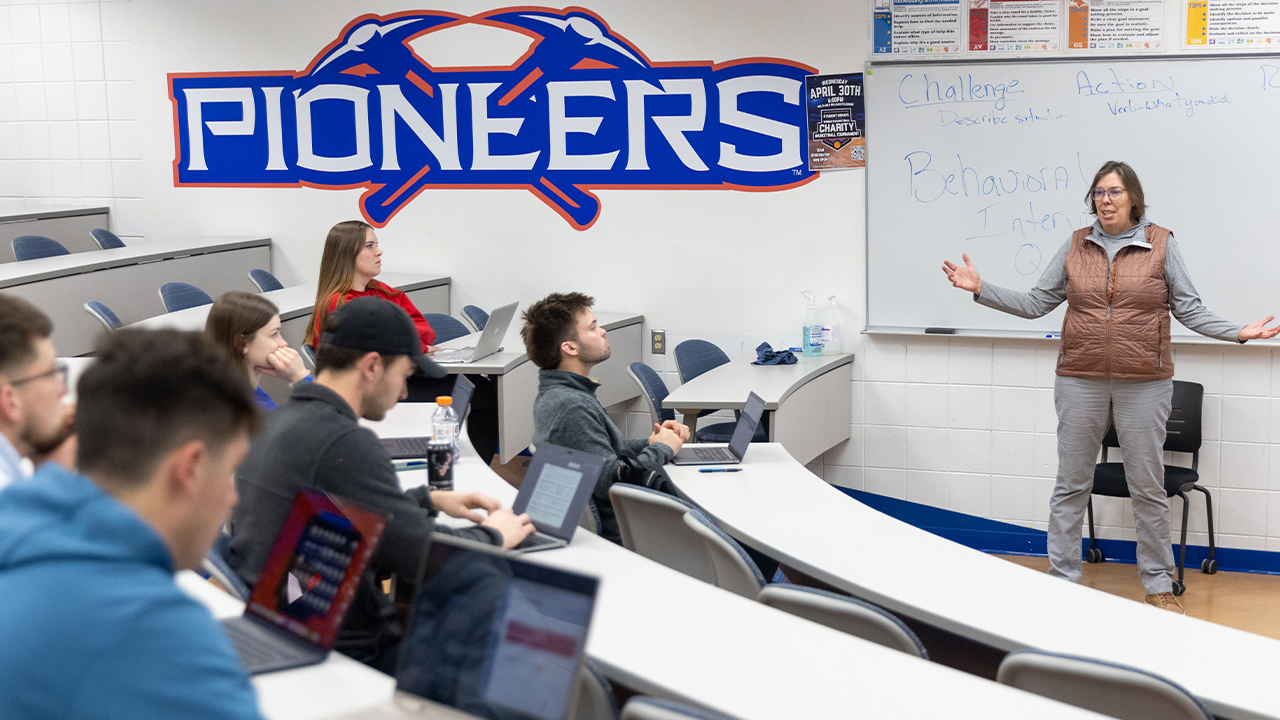
As technological innovations take hold across various industries, educators are often tasked with preparing students to enter a new and unfamiliar world. Associate Professor of Media Studies Cary Elza is taking this plunge, working to prepare her students to adapt to these innovations and stand out from the pack instead of fearing the unknown. This semester […]
-
UWEC will offer AI majors starting in fall 2025
The Universities of Wisconsin Board of Regents on Feb. 7 approved the bachelor of arts and bachelor of science majors in the department of computer science. The majors will provide students with knowledge and experience in evaluating and applying AI models and algorithms used in industries, says Dr. Michael Carney, interim provost and vice chancellor […]
-
Instructor Resources on Artificial Intelligence (Including ChatGPT)
The simulation of human intelligence in computer systems. It involves the development of algorithms and techniques that enable machines to perform tasks that typically require human intelligence, such as understanding natural language, recognizing patterns, making decisions, solving problems, and learning from experience.